A Christian practice
Lectio Divina
The monastic way of reading scripture slowly, in four steps: read, reflect, respond, rest.

Where it comes from
Lectio divina is Latin for holy reading. The Rule of Saint Benedict, written in the sixth century, sets aside hours of each monk's day for it, alongside prayer and work.
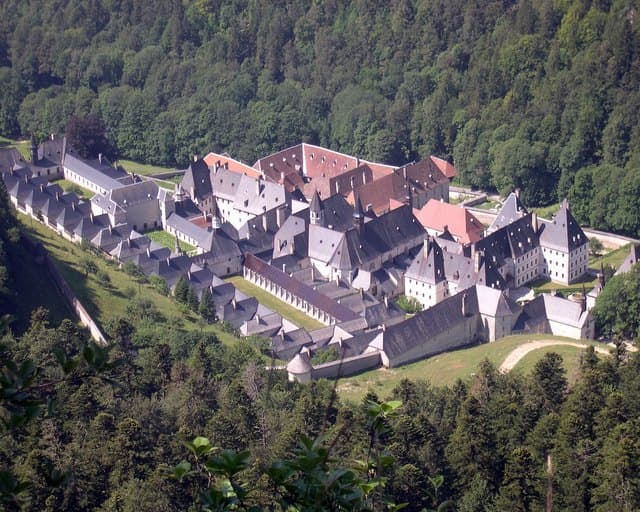
About six hundred years later, Guigo II, prior of the Grande Chartreuse, the mother house of the Carthusian monks in the French Alps, described it as a ladder of four steps in a letter known as The Ladder of Monks. He compares the steps to eating: reading puts the food in your mouth, meditation chews it, prayer tastes it, and contemplation is the sweetness itself.
The four steps
Choose a short passage, a few verses at most. Then:
- Lectio, read: read it slowly, more than once, until a word or phrase stands out.
- Meditatio, reflect: turn that phrase over. Why this, and why today?
- Oratio, respond: speak to God about it, in your own words.
- Contemplatio, rest: stop talking, and rest in silence. Guigo treats this last step as a gift to receive, not something you can make happen.
Day and night
The first psalm in the Book of Psalms describes the same slow, returning kind of reading:
But his delight is in the law of the LORD; and in his law doth he meditate day and night.
Psalm 1:2, King James Version (1611)
How the module works
Four numbered prompts on the daily page, one for each step, with two lines under each. Write the phrase that stood out under the first, and a line or two under the next two.
The fourth step has no words of its own. It is a time to rest quietly in the presence of God, and a simple mark under it is enough.
Sources
- Guigo II, The Ladder of Monks (Scala claustralium), twelfth century.
- The Rule of Saint Benedict, chapter 48, on daily manual labor and reading.
- The Holy Bible, King James Version (Project Gutenberg): Psalm 1:2.
Put it in your planner
Start your plannerFind Lectio Divina in the module drawer, under Philosophy & faith. Free, and no account needed to try it.