Practices
Where the modules come from
Some modules are a practice someone else worked out: a prayer, a philosopher’s exercise, a recovery step, a way of sorting a week. Each of these has a page: where it comes from, how it is done, and the module that prints it.
Planning
Named ways of deciding what to do and when, from Eisenhower's two kinds of problems to the Bullet Journal.

- A planning methodEisenhower Matrix
Sort the week's tasks by two questions, is it urgent and is it important, and treat each of the four kinds differently.
- A planning methodIvy Lee Six
At the end of each day, write the six most important tasks for tomorrow, in order. Tomorrow, work down the list.
- A planning methodFuture Log
The Bullet Journal's future log: six months with a few lines each, for dates too far ahead for this week's pages.
- A planning methodIndex
The Bullet Journal's index: topics and where they are in the book, so you can find things again.
- A planning methodSomeday / Maybe
Ideas and projects you are not doing yet but do not want to lose, kept where you will see them again.
- A planning methodWaiting On
What you are waiting for from other people: who, what, and since when.
- A planning methodABC Priority List
Mark each task A, B or C by how much it is worth doing, then work through the A's first.
Growth
Methods for changing yourself a little at a time, from Benjamin Franklin's chart of virtues to habit stacking.

- A practice of characterFranklin's Virtues
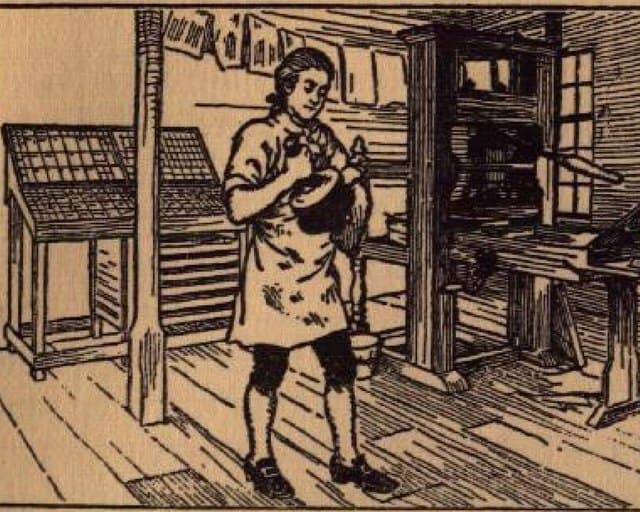
Benjamin Franklin's thirteen virtues, charted as he kept them: a line for each virtue, a column for each day, and a spot for every fault.
- A planning methodSMART Goal
Write one goal five ways: specific, measurable, achievable, relevant and time-bound.
- A tested exerciseThree Good Things
Three good things from today, numbered, written down before bed.
- A planning methodHabit Stacking
Two columns, After I and I will, to tie each new habit to one you already do.
Philosophy
The exercises of philosophers, from the Stoics' evening review to reading the Tao Te Ching a verse a day.

- A Stoic practiceStoic Morning Page
Three questions to start the day with, the way Marcus Aurelius started his: by deciding in advance how he would meet it.
- A Stoic practiceStoic Evening Review
Three questions answered before sleep, the way Seneca says he reviewed his day.
- A Stoic practiceDichotomy of Control
Two columns, for what is up to you and what is not: the division that Epictetus's handbook opens with.
- A Stoic practiceMemento Mori
Fifty-two circles, one for each week of the year, filled in as the weeks go by.
- A Stoic practiceNegative Visualization
Once a week, picture losing something you value and how you would meet it, so that a loss never comes as a complete surprise.
- A Taoist practiceTao Reflection
Copy out a passage of the Tao Te Ching each day, then write what it says plainly and what it says underneath.
- A Taoist practiceWu Wei Reflection
Once a week, write down where you pushed against something, and what yielding would have looked like.
Faith
Prayers, meditations and ways of reading scripture, from Christian, Jewish, Muslim and Buddhist practice.


- A Buddhist practiceMetta Practice
Loving-kindness wished one person at a time, moving outward: yourself, someone you love, someone neutral, someone difficult, then all beings.
- A Christian practiceExamen
A short prayer at the end of the day, in the five steps St. Ignatius of Loyola set down nearly five hundred years ago.
- A Christian practiceLectio Divina
The monastic way of reading scripture slowly, in four steps: read, reflect, respond, rest.
- A Christian practiceSOAP Study
Scripture, Observation, Application, Prayer: copy out a passage, say what it says and what it means for you, then answer it in prayer.
- A Christian practiceVerse Mapping
Take one verse apart over a week: write it out, compare translations, follow its cross references, and note what it asks of you.
- A Muslim practiceSalah Tracker
A week of the five daily prayers, with a box to mark each prayer on each day.
- A Muslim practiceRamadan Log
All thirty days of Ramadan on one page, with a box each day for the fast, night prayer, Quran reading, sadaqah and dhikr.
- A Muslim practiceQuran Reading Plan
Thirty marks, one for each juz', so the whole Quran can be read in a month, as many do in Ramadan.
- A Muslim practiceDhikr Counter
Thirty-three circles to fill in for a round of dhikr, the remembrance of God.
- A Jewish practiceMussar Trait
Work on one trait of character for a week, such as patience or humility, and mark each day you noticed it, practiced it and thought it over.
- A Jewish practiceOmer Counter
Forty-nine numbered marks for the Counting of the Omer, the seven weeks from the second night of Passover to Shavuot.
- A Jewish practiceParashah Study
The week's Torah portion, what stood out in it, and what it asks of you.
Recovery
Pages for working the Twelve Steps, and for the daily habits of recovery around them.


- A recovery practiceStep Ten Inventory
A few minutes at the end of the day to look for resentment, selfishness, dishonesty and fear, as the Tenth Step asks.
- A recovery practiceStep Four Inventory
The Fourth Step's resentment list, in four columns: who you resent, the cause, what it affects in you, and your own part.
- A recovery practiceGratitude List
A short list of what you are grateful for today, a habit many people in recovery keep every day.
- A recovery practiceSponsor Contact Log
Each contact with your sponsor this week: the date, whether you called and whether you spoke, and a note of what you talked about.
- A recovery practiceMeeting Log
The meetings you went to this week, with the date, group and format, and room for a signature where a court or program asks for one.
- A recovery practice90 in 90
Ninety cells, one for each meeting, toward the ninety meetings in ninety days often suggested to someone new to recovery.
- A recovery practiceHALT Check-in
Are you hungry, angry, lonely or tired? Rate each from one to five, so a hard moment has a likely cause written in front of you.
Put one in your planner
Start your plannerFree, and no account needed to try it.