A Stoic practice
Negative Visualization
Once a week, picture losing something you value and how you would meet it, so that a loss never comes as a complete surprise.
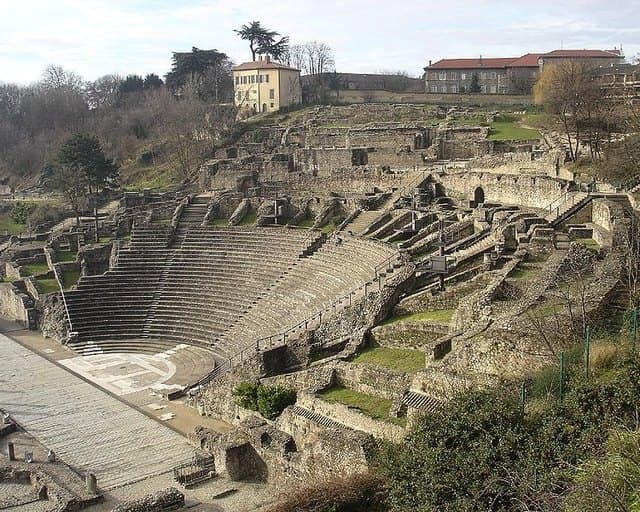

Seneca and the fire at Lyons
Seneca wrote the 91st of his Letters to Lucilius after a fire destroyed the Roman city of Lugdunum, now Lyon, in a single night. His friend Liberalis took the news hard, and Seneca's letter is about why: it is the unexpected that weighs most. His answer is to expect more.
So nothing should come to us unforeseen. The mind must be sent ahead to meet everything, and we must think not of what usually happens, but of what can happen.
Seneca, Letters to Lucilius, Letter 91, section 4, translated from the Latin for this page (2026)
A rehearsal, not a worry
The exercise is often called premeditatio malorum, Latin for the rehearsal of misfortunes. It is not the same as worrying. Worry goes round the fear again and again. The rehearsal follows it through to an answer: if this went, what would I do, and what would I still have?
The Stoics aimed at calm: a loss you have already faced in thought does not knock you over. Modern writers add a second aim, that picturing a loss makes you value what you have while you have it. The name negative visualization is theirs too, made popular by William B. Irvine's A Guide to the Good Life (2009).
How the module works
Two prompts with three lines each, on the weekly spread: What might I lose? How would I meet it? Pick one thing a week, small or large: a job, your health, a friend, a plan.
Keep the second answer practical. If something can be prepared for, such as a backup, some money put aside, or a call you have been putting off, write it on a day of this week's spread.
Sources
- Seneca, Epistulae morales ad Lucilium, Letter 91, in Latin (Latin Wikisource, books 14 and 15).
- For the whole letter in English: Richard M. Gummere's translation, Seneca, Epistles, volume 2 (Loeb Classical Library, 1920), Letter 91, On the lesson to be drawn from the burning of Lyons.
Put it in your planner
Start your plannerFind Negative Visualization in the module drawer, under Philosophy & faith. Free, and no account needed to try it.